Why You Feel Tired Even After 8 Hours of Sleep — The Sleep Quality Trap

Why You Feel Tired Even After 8 Hours of Sleep — The Sleep Quality Trap
I used to brag about getting eight hours of sleep.
Midnight to 8 a.m.
Solid.
No interruptions.
At least that’s what I thought.
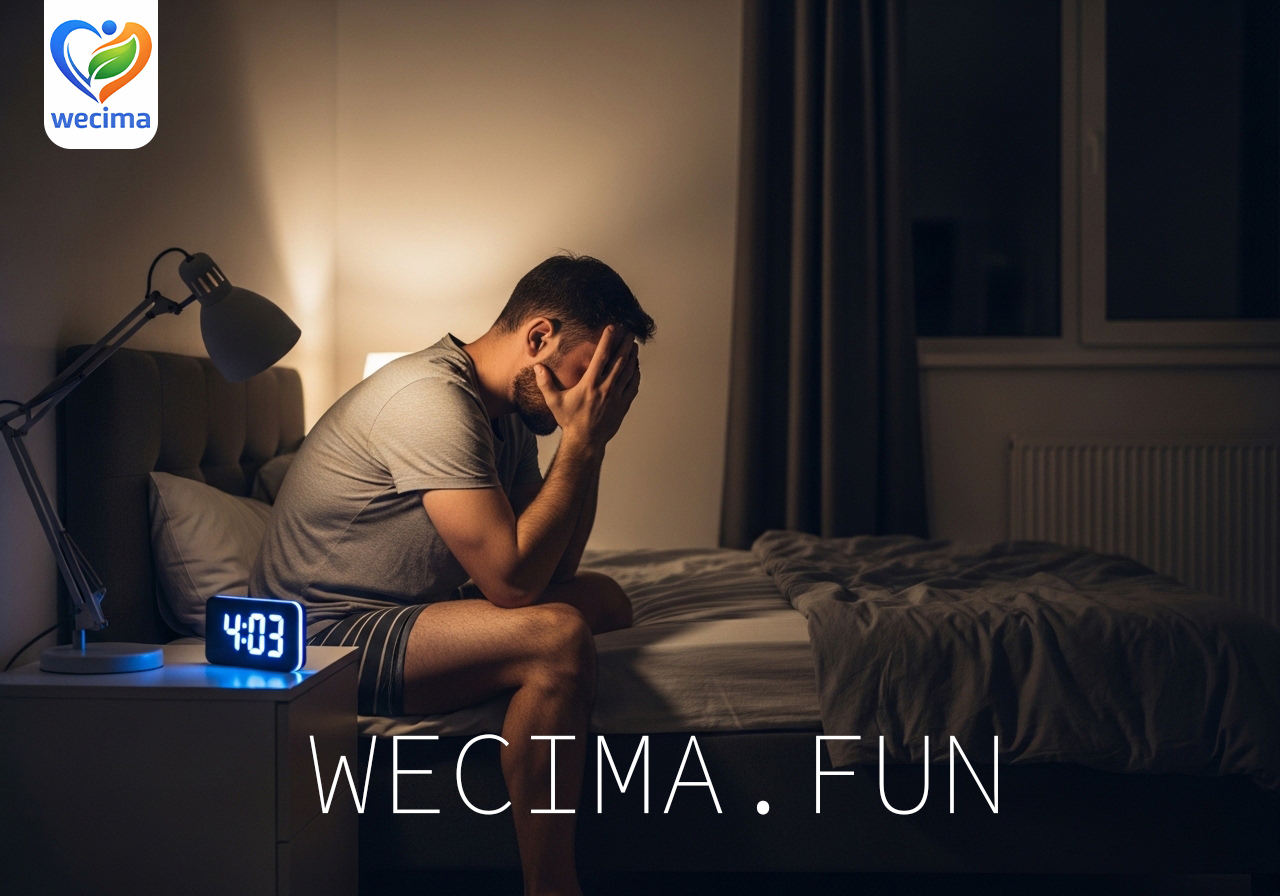
But every morning, I woke up feeling like I had slept for four.
Heavy eyes.
Brain fog.
Low motivation.
I wasn’t sleep-deprived.
I was sleep-misled.
And what I eventually learned changed how I understand rest forever:
Sleep duration and sleep quality are not the same thing.
You can be in bed for eight hours…
and still wake up exhausted.
The Big Myth: More Hours = Better Sleep
Most people focus on quantity.
“How many hours did you sleep?”
But your body doesn’t measure sleep in hours.
It measures it in cycles.
Each sleep cycle lasts about 90 minutes and includes:
-
Light sleep
-
Deep sleep
-
REM sleep
If those stages are fragmented, shortened, or disrupted, eight hours won’t feel restorative.
That was my problem.
I had time in bed.
But my sleep architecture was broken.
What Actually Makes Sleep Restorative
There are three pillars of high-quality sleep:
1. Deep Sleep (Physical Recovery)
This is when:
-
Muscles repair
-
Growth hormone is released
-
Immune function strengthens
If deep sleep is reduced, your body feels heavy and sore.
2. REM Sleep (Mental Recovery)
This is when:
-
Memory consolidates
-
Emotions process
-
Brain detox pathways activate
If REM is disrupted, you wake mentally foggy.
3. Continuity
Even brief awakenings — ones you don’t remember — can fragment sleep stages.
And that fragmentation was happening to me every night.
The 5 Hidden Sleep Disruptors I Ignored
I wasn’t doing anything extreme.
But small habits were quietly sabotaging my sleep quality.
1. Late Caffeine (Even If I “Felt Fine”)
I used to drink coffee at 3 or 4 p.m.
I could fall asleep at midnight without issue.
So I assumed caffeine wasn’t affecting me.
But caffeine has a half-life of 5–7 hours.
That means 50% of it is still in your system hours later.
Even if you fall asleep easily, caffeine can:
-
Reduce deep sleep
-
Increase micro-awakenings
-
Lighten sleep stages
You may not feel wired.
But your brain isn’t fully resting.
2. Alcohol Before Bed
I used to think a drink helped me sleep.
It made me drowsy.
But alcohol suppresses REM sleep in the first half of the night.
Then later, your brain rebounds — causing lighter sleep and more awakenings.
You fall asleep faster.
But you sleep worse.
3. Inconsistent Sleep Schedule
Going to bed at 11 p.m. on weekdays
1:30 a.m. on weekends
That two-hour difference shifts your circadian rhythm.
Your internal clock thrives on consistency.
Mine had none.
4. Overstimulated Evenings
Scrolling social media.
Answering emails.
Watching intense shows.
My brain never powered down.
Just because your body is still doesn’t mean your nervous system is calm.
5. Bedroom Temperature
I didn’t think this mattered.
It does.
Your body needs to drop core temperature to enter deep sleep.
A warm room makes that harder.
Ideal range:
60–67°F (15–19°C)
Lowering the thermostat made a bigger difference than I expected.
The Sleep Quality Reset I Followed
Instead of trying supplements first, I fixed behavior.
Here’s what I changed.
Step 1: Caffeine Cutoff at 1 P.M.
Not 4 p.m.
1 p.m.
Within a week, I noticed fewer 3–5 a.m. awakenings.
Step 2: Alcohol-Free Weekdays
I limited alcohol to occasional weekends.
REM sleep improved noticeably.
Dream recall increased — a sign REM was returning.
Step 3: Fixed Sleep-Wake Window
11:00 p.m. — Bed
7:00 a.m. — Wake
Even on weekends.
Consistency anchored my rhythm.
Step 4: Digital Wind-Down Routine (60 Minutes)
No bright screens after 10 p.m.
Instead:
-
Dim lighting
-
Light stretching
-
Reading fiction
-
Calm music
This signaled safety to my nervous system.
Step 5: Morning Sunlight Within 10 Minutes
This step was underrated.
Natural light exposure:
-
Suppresses melatonin
-
Boosts daytime alertness
-
Sets up stronger nighttime melatonin release
After five days, I felt sleepy earlier at night — naturally.
What Happened After Two Weeks
Week 1:
Still tired — but slightly less foggy.
Week 2:
Energy more stable throughout the day.
Week 3:
Morning grogginess decreased dramatically.
The difference wasn’t explosive.
It was steady.
And sustainable.
Signs You’re Experiencing the Sleep Quality Trap
-
You sleep 7–9 hours but feel unrefreshed
-
You wake up stiff or mentally foggy
-
You rely heavily on caffeine
-
You feel a 2 p.m. crash daily
-
You sleep longer on weekends to “catch up”
That’s often not a quantity problem.
It’s a quality problem.
How Stress Quietly Disrupts Sleep
Even if you fall asleep easily, stress hormones can:
-
Reduce deep sleep
-
Increase nighttime awakenings
-
Shorten REM cycles
Chronic low-level stress is enough.
It doesn’t have to be dramatic.
Small daily tension adds up.
That’s why nervous system regulation matters more than sleep hacks.
Simple Additions That Helped
After fixing the basics, I experimented cautiously with:
-
Magnesium glycinate (after professional guidance)
-
Short evening breathing sessions
-
Light journaling to clear mental clutter
None of these were magic.
But layered on top of consistent habits, they amplified results.
What Most People Do Wrong
They try:
-
Melatonin immediately
-
Expensive mattresses
-
White noise machines
-
Blue light glasses only
Without fixing:
-
Caffeine timing
-
Alcohol habits
-
Schedule inconsistency
-
Stress management
Sleep quality starts with rhythm.
Not gadgets.
When to Consider Medical Evaluation
Persistent fatigue despite lifestyle improvements could relate to:
-
Sleep apnea
-
Thyroid imbalance
-
Iron deficiency
-
Chronic stress conditions
-
Medication side effects
If exhaustion continues, consult a qualified healthcare provider.
The Bigger Insight
Sleep is not passive.
It’s active repair.
If your body doesn’t feel safe, regulated, and synchronized with natural light cycles, it won’t fully restore.
Eight hours of fragmented sleep can feel worse than six hours of deep, consistent sleep.
Quality always wins.
A Simple 7-Day Reset Plan
If you want structure, try this:
Day 1–2:
Fix caffeine timing.
Day 3–4:
Set fixed bedtime and wake time.
Day 5:
Reduce screen light at night.
Day 6:
Morning sunlight exposure daily.
Day 7:
Evaluate energy levels.
Small changes compound.
Final Takeaway
If you’re tired after eight hours of sleep, don’t assume you need more sleep.
Ask:
• Am I protecting deep sleep?
• Am I disrupting REM with alcohol?
• Is caffeine still active at night?
• Is my schedule consistent?
• Am I calming my nervous system before bed?
Sleep is about timing, rhythm, and recovery.
Not just hours.
Fix the quality — and the quantity starts working for you.

Leave a Reply